How do I make my product stand out in a crowded market?
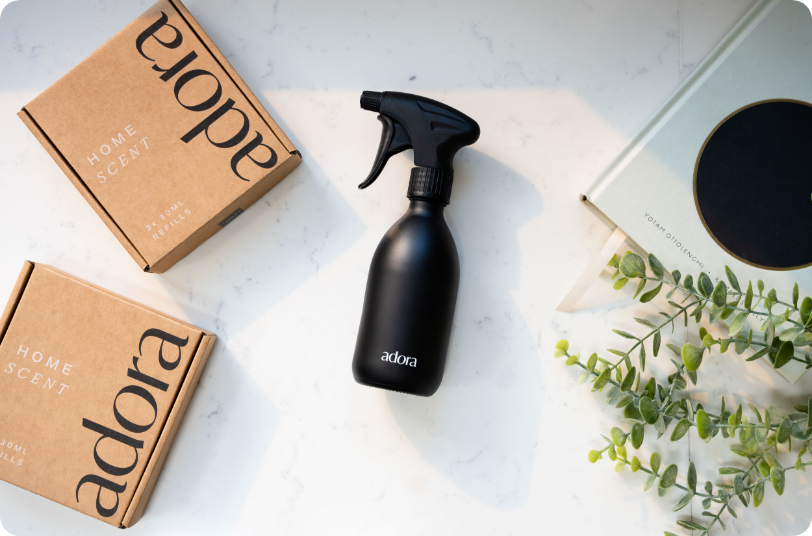
Someone picks up your product at a trade show, or a buyer asks what makes you different, and off you go. It's plant-based. It's refillable. It's concentrated, so it lasts longer. It's made in small batches.
All true, and all things you're proud of. But somewhere around the fourth feature, you can see their attention drifting.
If that feels familiar, you're not alone. Most home and lifestyle founders know their product is better. The hard part is getting anyone else to feel it without you standing next to it, explaining. Here's why that happens, and what we did about it when we built Adora.
When your product is doing all the talking
Features are where most founders start, and it makes sense. You made the product. You know every decision that went into it. So when it's time to sell, you reach for the facts.
The trouble is, in a crowded category, everyone else has facts too. Walk down the cleaning aisle, the candle shelf or the bedding department and you'll see the same handful of claims on every label. When every brand leads with what the product does, features stop being a reason to choose you. They become the price of entry.
That's when the product ends up doing all the heavy lifting, and the brand isn't carrying any of the weight.
Why following the leader keeps you invisible
When we first started talking about Adora, a sustainable cleaning brand, the plan was to follow the big names in sustainable cleaning. They were growing fast, and the founder wanted a share of that. It felt like the obvious, safe move.
Then we looked properly at the competition. Plant-based. Refillable. Planet friendly. Every brand was saying the same thing in much the same way. Line them up and they blended into one.
If we'd followed suit, Adora would have been one more bottle saying one more version of the same message. And when you look like the category leader, people usually just buy the category leader.
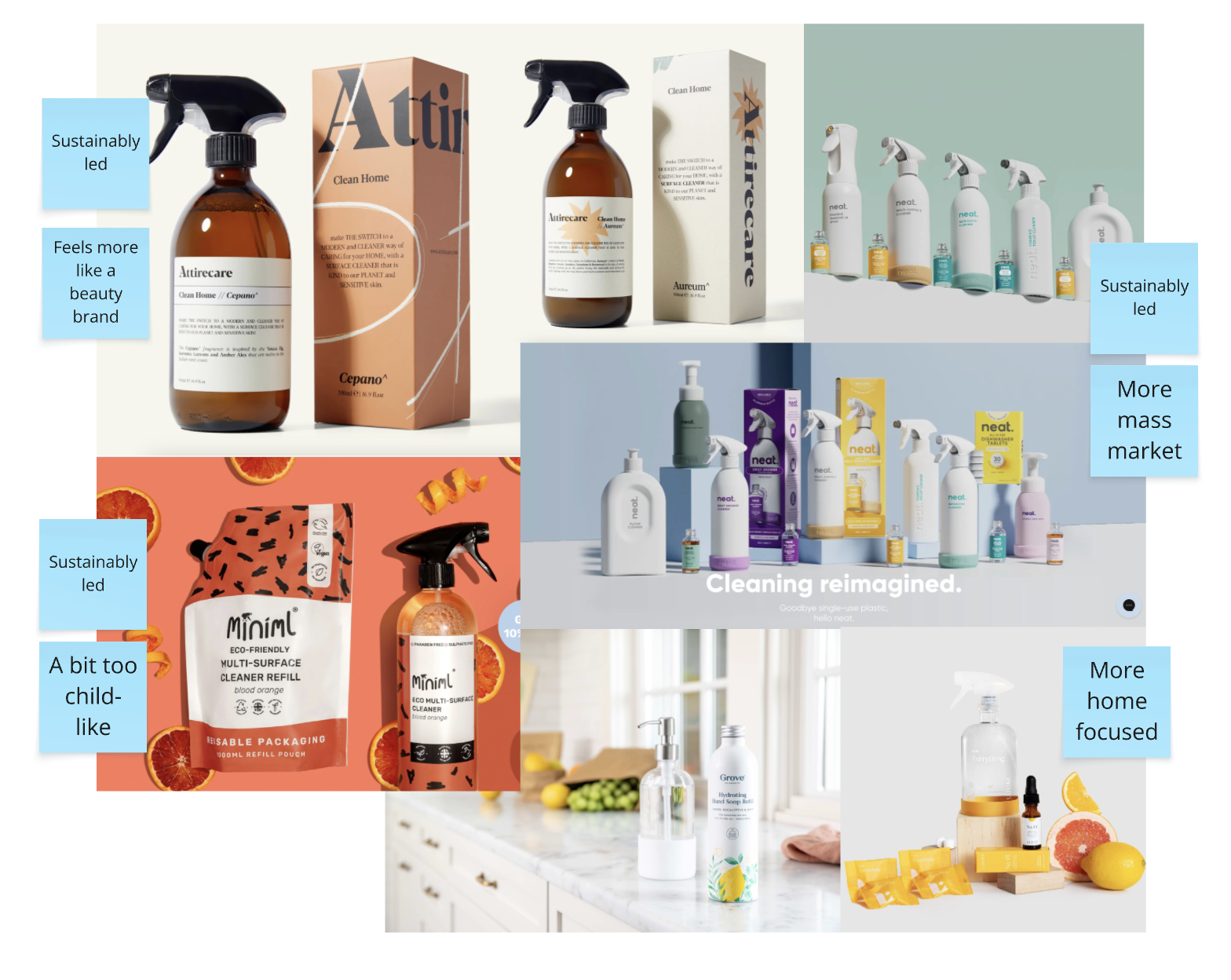
Why people say they buy, and why they actually buy
Sustainability is a noble cause, and it mattered to us. But it isn't the main reason people buy a cleaning product. It's a secondary benefit: the "oh, and by the way" that makes someone feel good about a choice they've already made.
The same is true across most home and lifestyle categories. People buy a candle for how it makes the room feel, bedding for how the bedroom looks, and paint for the colour and what it says about their home. The ethical credentials and the clever formula support the decision. They rarely make it.
So the question isn't "what does my product do better?" It's "what does my customer actually care about, and how does my brand speak to that?"
Find who it's really for
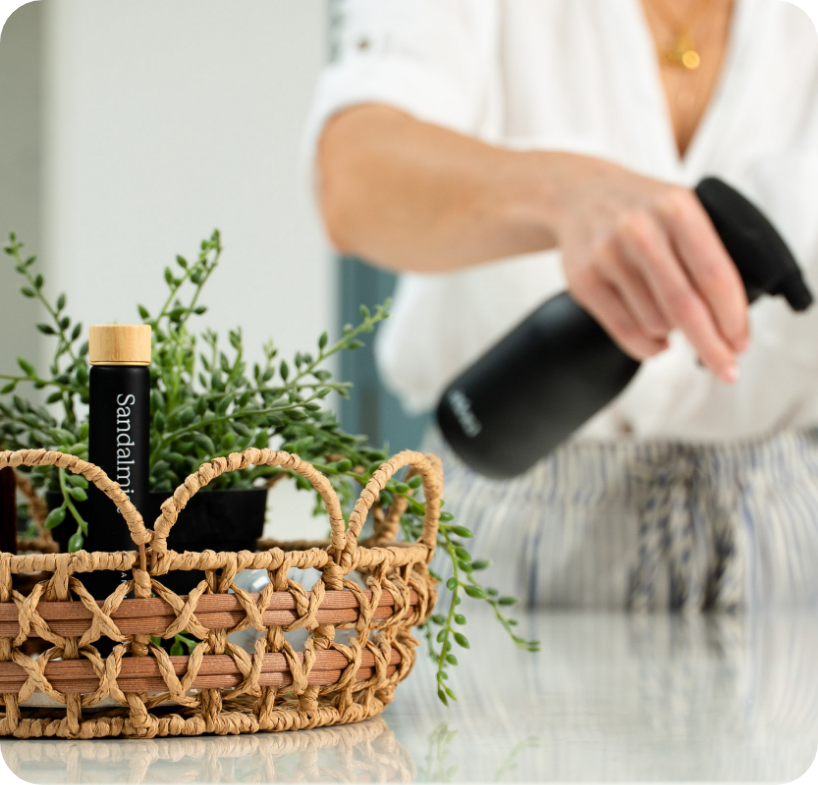
For Adora, the answer was a millennial customer who cares about how her home looks, right down to the details. She's the person who relabels her spice jars. She wants everything on the kitchen counter to look beautiful, including the washing-up liquid and the hand soap. And she wants it to smell beautiful too.
She wasn't looking for another cleaning product. She was looking for something she'd be happy to leave out on show.
Once we knew who she was, the brief changed completely.
Let the brand carry the weight
We led Adora with scent and beauty, not sustainability.
Scent. We stayed away from the usual "clean" fragrances and chose something more muted and modern: sandalwood and bergamot. It smelled more like something you'd find on a dressing table than under the sink.
Design. We borrowed from perfume rather than cleaning. The product comes in vials, a name chosen on purpose so it sounds and feels like fragrance. We went with matte black bottles, understated enough to blend into a modern kitchen but special enough to sit happily on the countertop. Nothing like anything else on the shelf.
Sustainability stayed in. It just stopped being the headline.
What happened next
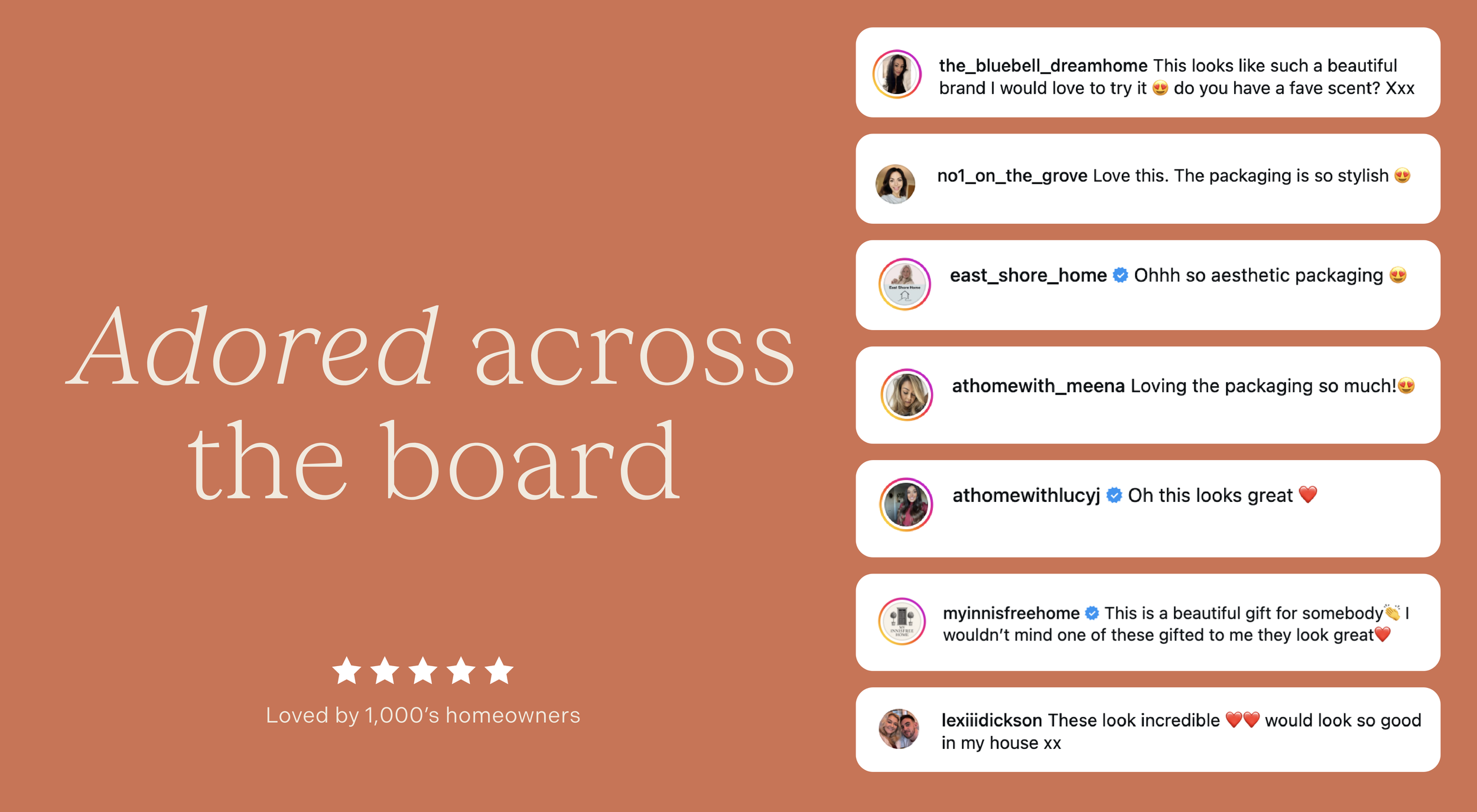
People fell in love with it. They loved the packaging, the box and the unboxing. They loved the smells, the textures and the feel. Under the ads and customer videos, the comments said things like "I need one of these" and "Where do I get one?"
Adora took 17,000 orders in its first six months. It worked because it was the antidote to everything else in the category, not a copy of the leader.
Three questions to ask about your own product
If you're reeling off features every time someone asks what makes you different, start here:
What is everyone in your category saying? Write it down. Whatever's on every label is no longer your difference.
Who is she, really? Think beyond the product. How does she live, and what does she care about at home?
What would make her want it in her home before she's even tried it? That's what your brand should be built around.
-
Start with your customer rather than your product. Describe the feeling or the moment your product creates in her home, then use your features as proof.
-
In most home and lifestyle categories, sustainability works best as a supporting message. Keep it visible and honest, but lead with what your customer actually buys on: how it looks, smells and feels, and how it fits into her home.
-
You won't out-shout them, so don't try to copy them either. Bigger brands set the category look. Your opportunity is to be the obvious alternative, with a point of view they can't easily follow.